European universities have always been the cultural centres of the cities in which they are located. They attract students, sometimes from all over the world, thereby transforming their cities in the process. Take for example my previous university: the University of Groningen. Of the city’s 200.000 inhabitants, about 30.000 are students. The whole city is focused on the students, with bars and shops everywhere. The presence of that many students sometimes leads to clashes with the local population, but usually the two ‘groups’ peacefully co-exist.
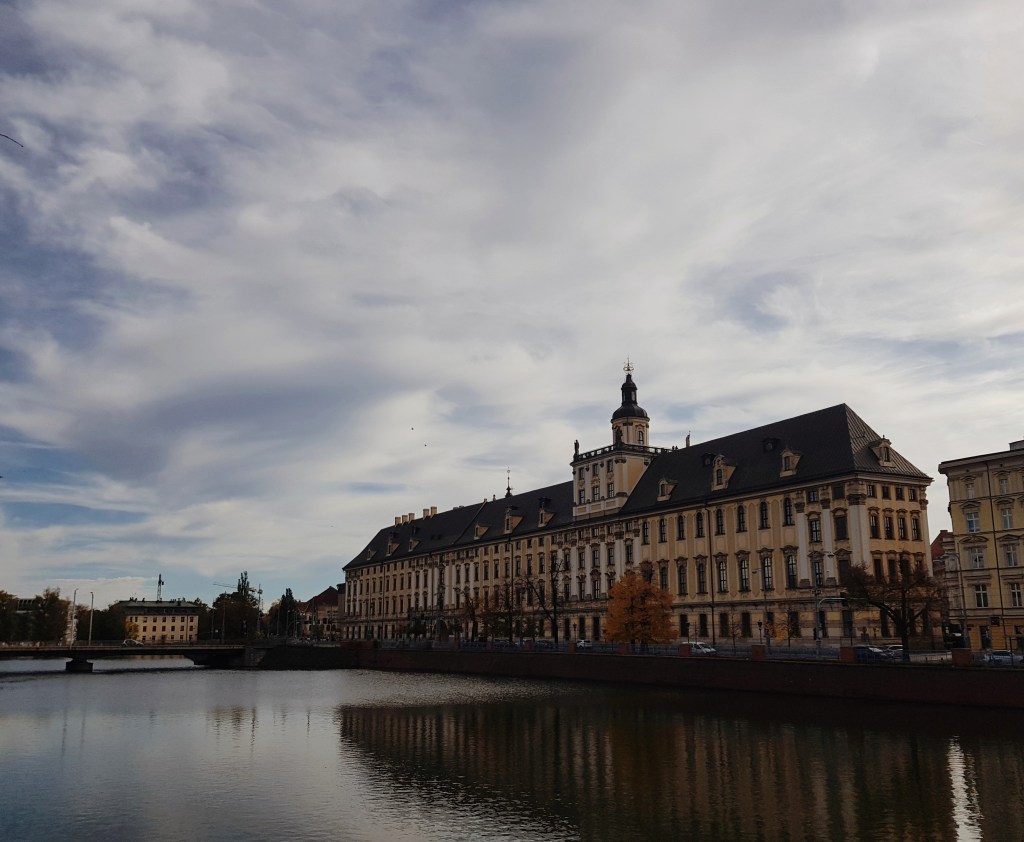
Universities are the epicentres of political and cultural thought, as can be seen by the many student protests that originated at universities throughout history. The protests of Tokyo and Paris come to mind quickly. The University of Wroclaw is not any different in this regard: in the late 1980s, students started to protest against the communist regime of the country, often exposing themselves to great risks.
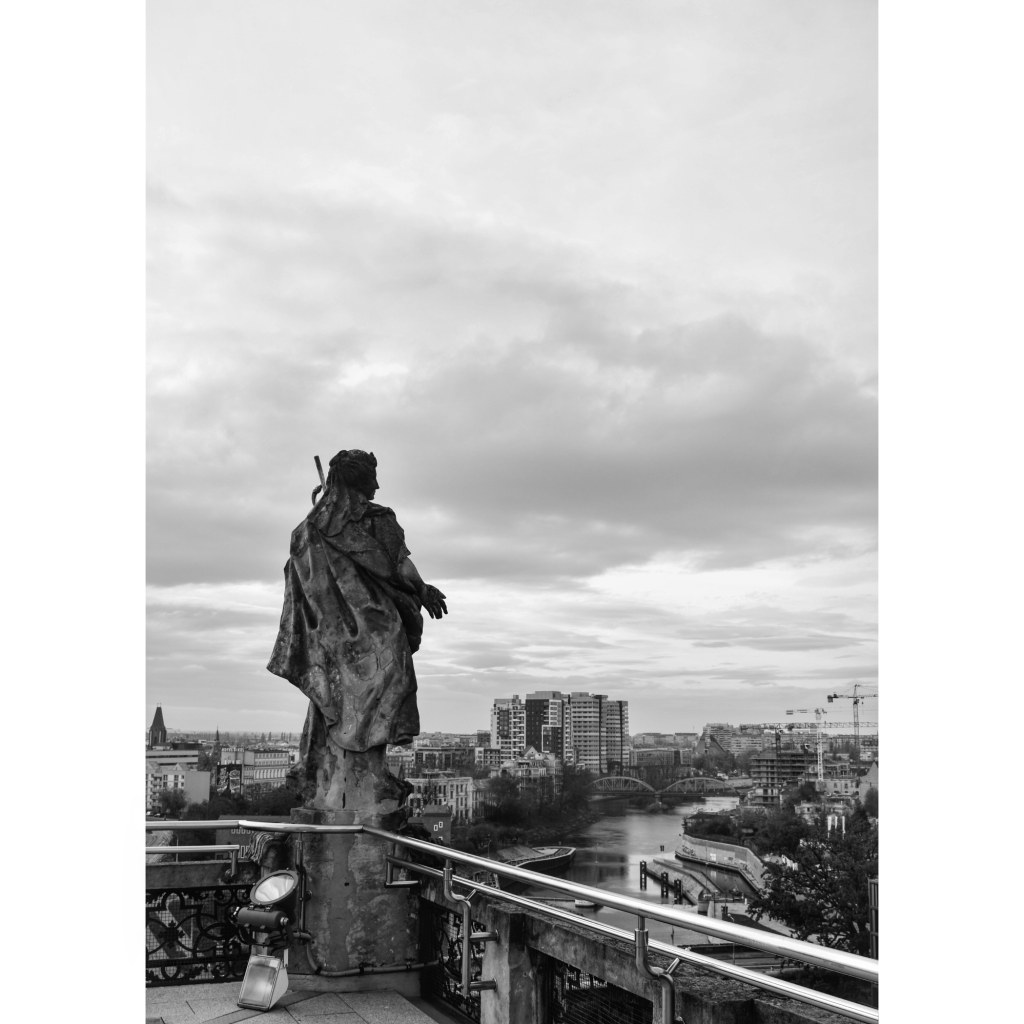
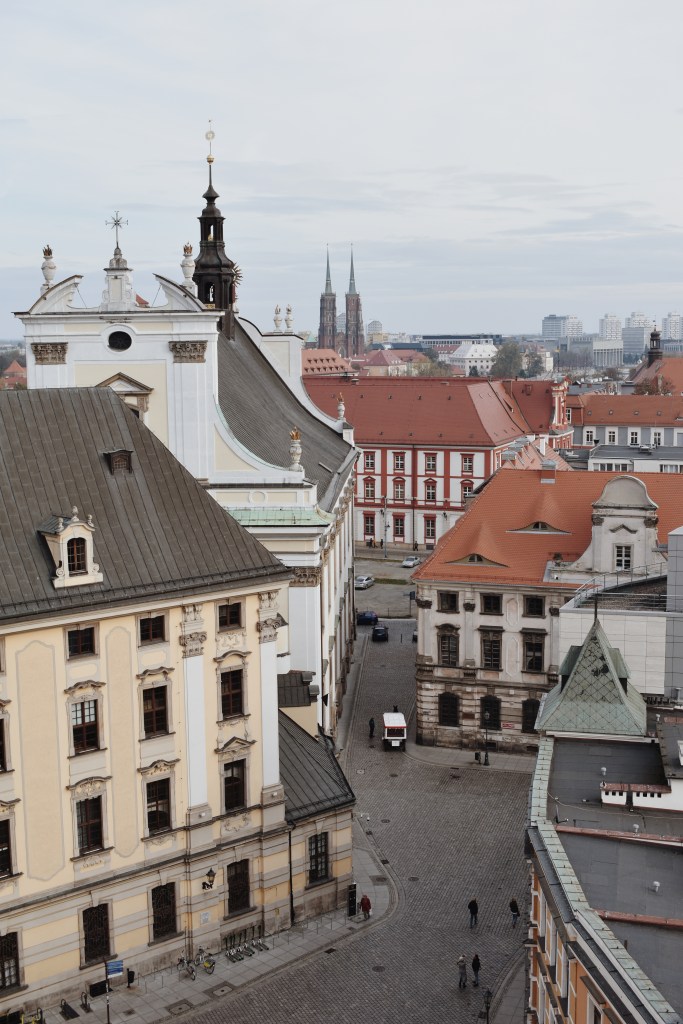
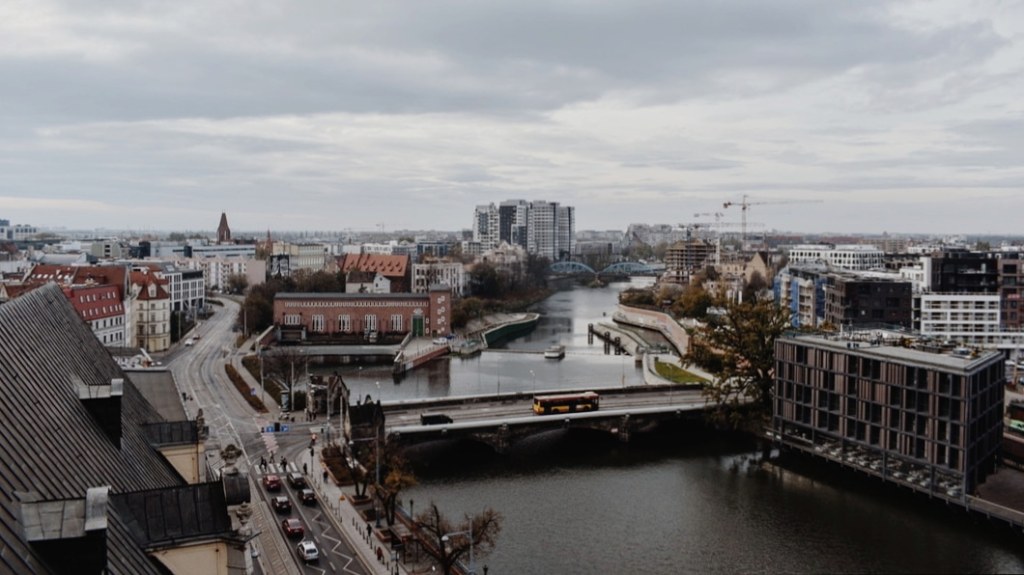
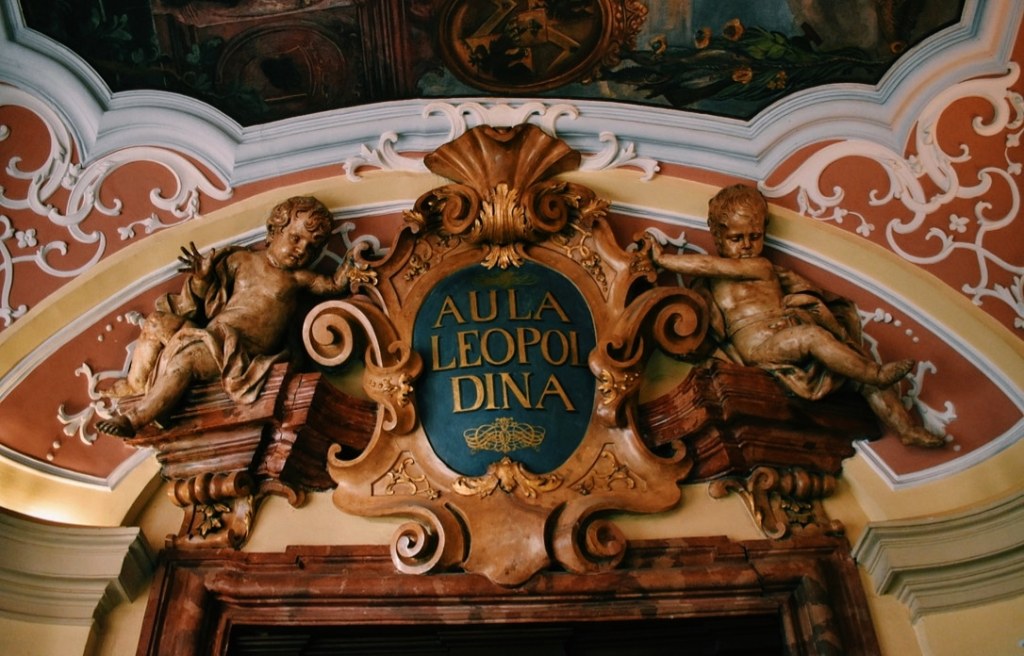
The University of Wroclaw has a turbulent history, like Wroclaw itself. Polish territory has been in the hands of several countries in its history: Germans, Russians, Swedes, Hungarians are just a few examples. When the university was founded, Wroclaw belonged to the Austrian House of Habsburg. In 1702, Austrian Emperor Leopold I signed a decree formally founding the university, then called Leopoldina, clearly an act of an emperor being his extremely humble self. On November 15, 1702, the university opened its doors for the first time.
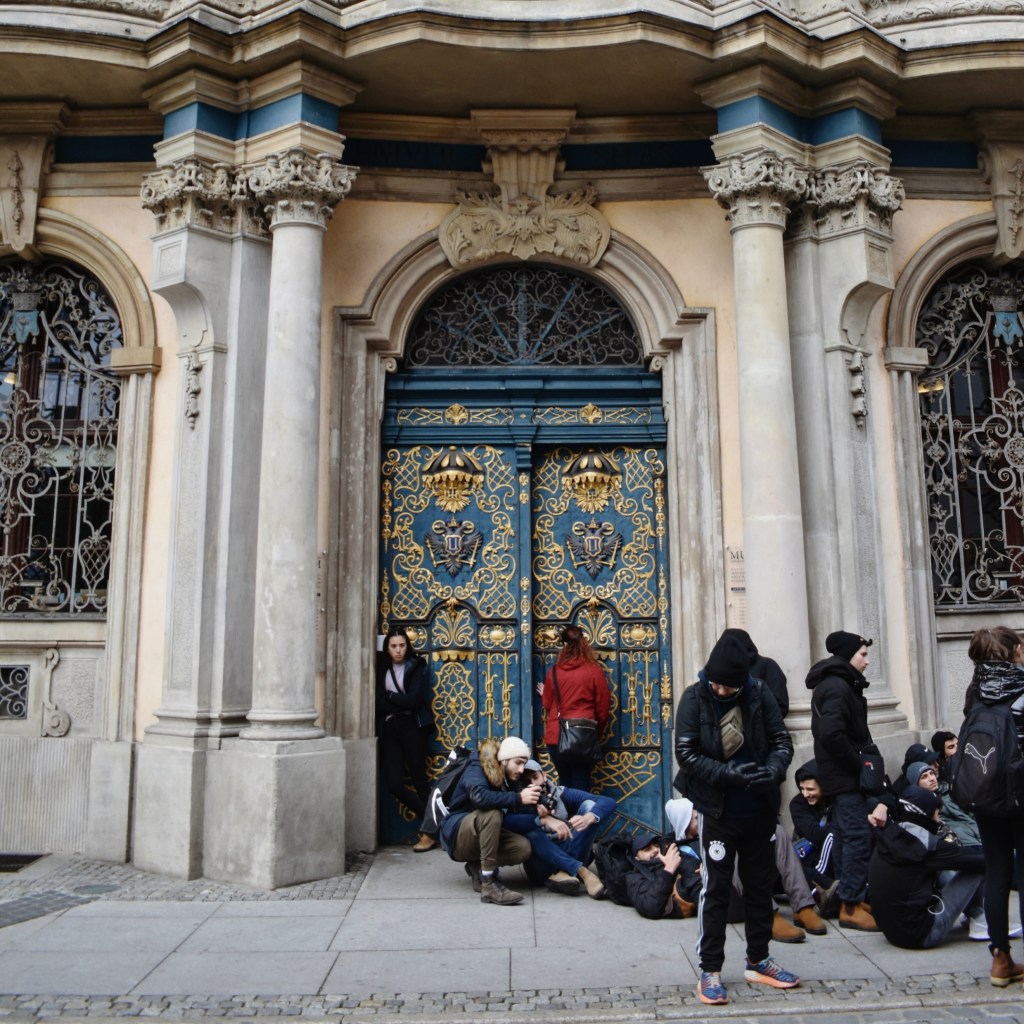
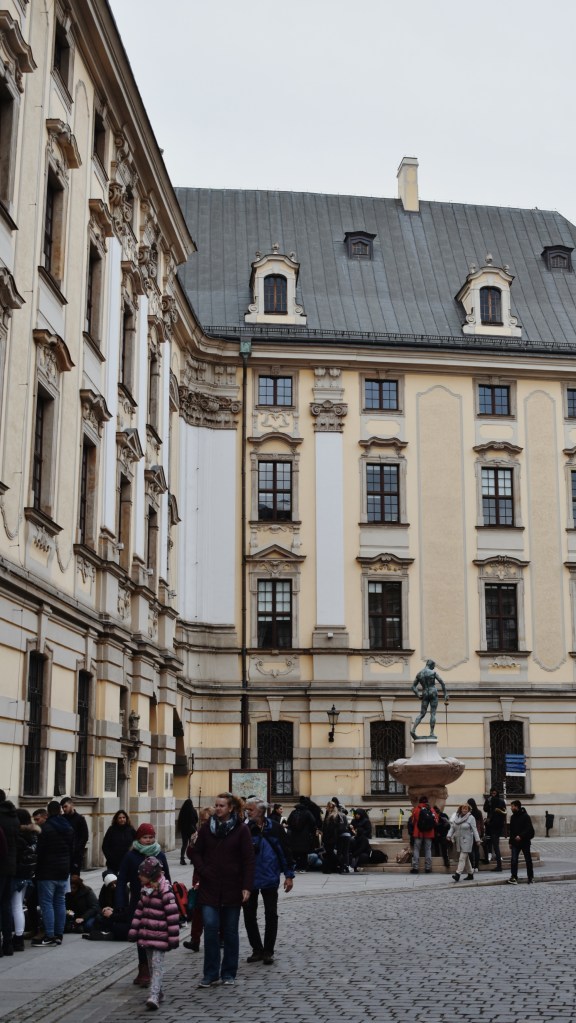
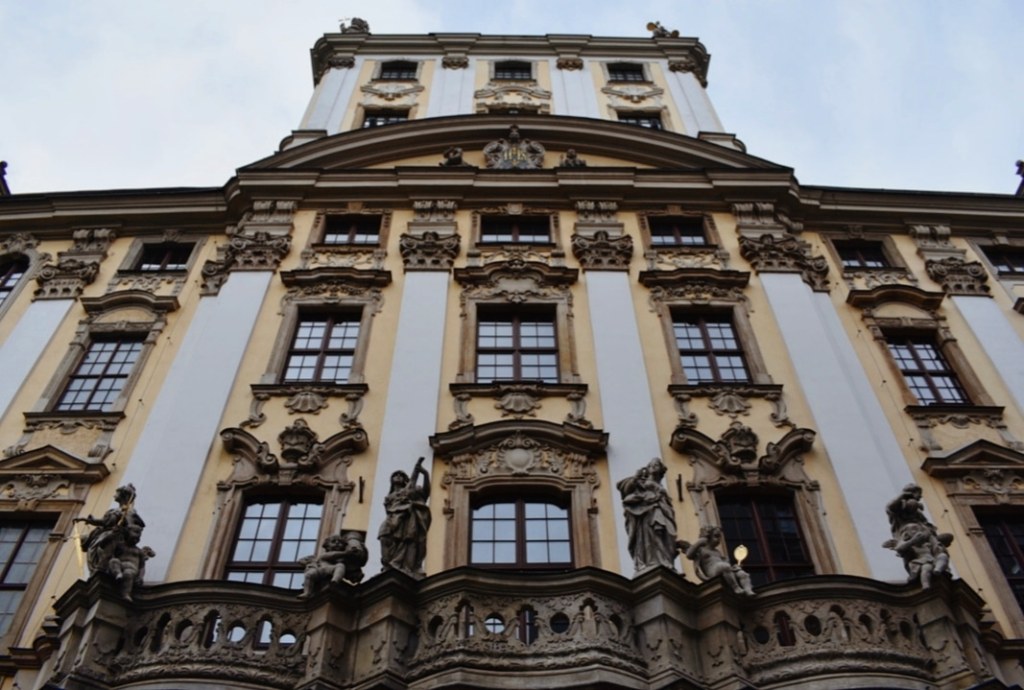
In the 1740s, Prussia annexed Silesia, the region in which Wroclaw is situated. Not much changed until 1811. Wroclaw was now called Breslau by the Germans and after the reorganisation of the Prussian state after Napoleon’s defeat it was decided that the university should merge with Protestant Viadrina University. Now, the university was formally called the Königliche Universität zu Breslau – Universitas litterarum Vratislaviensis (in 1911, the university was renamed again to the Schlesische Friedrich-Wilhelms-Universität zu Breslau). It was in this German period that the university knew its greatest period: an astounding number of 11 Nobel Price Laureates graduated from the University of Breslau.
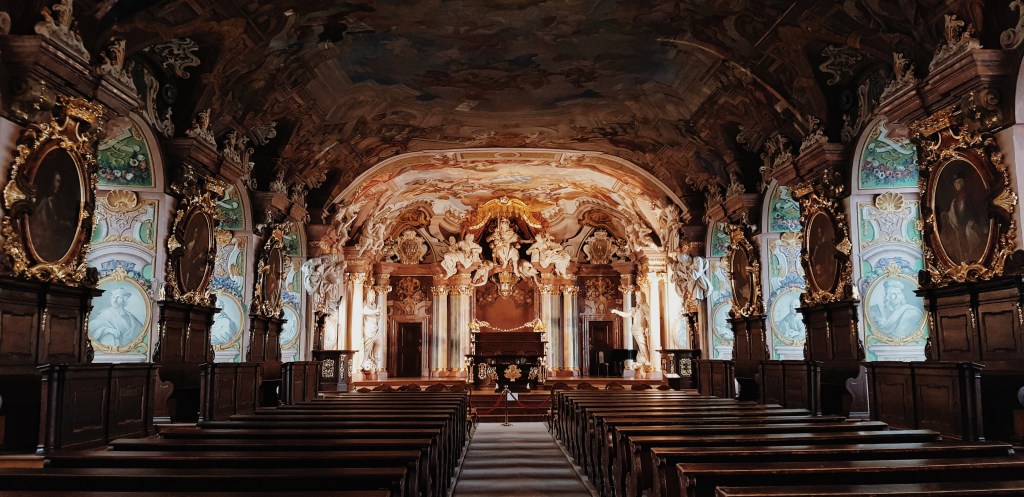
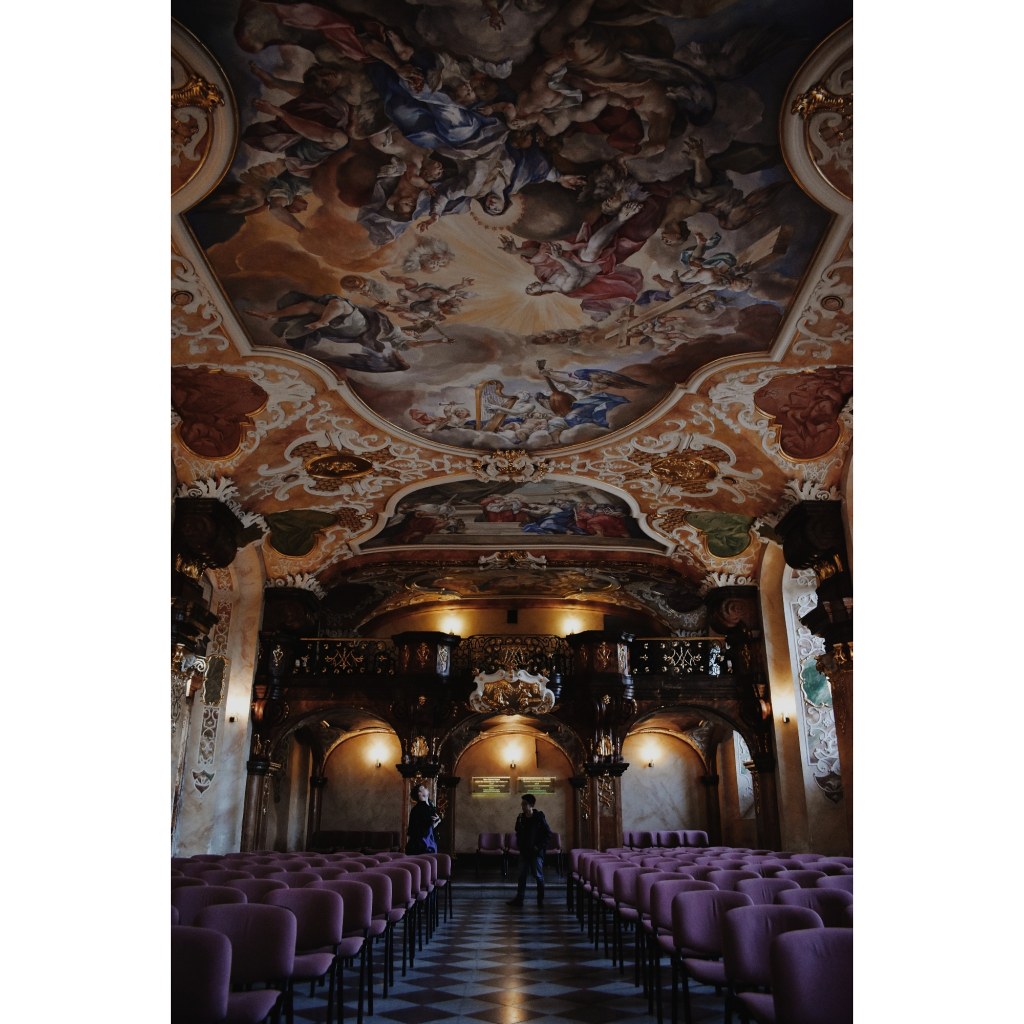
As World War II came to an end, Hitler ordered the city of Breslau to be a so-called Festung, meaning that it was not to be abandoned or surrendered in any case. This caused the Soviet army to almost completely destroy the city, while the Germans would not give up. Two days before the end of the war, the Germans surrendered, after a siege of three months. Like the rest of the city, the university was badly damaged.
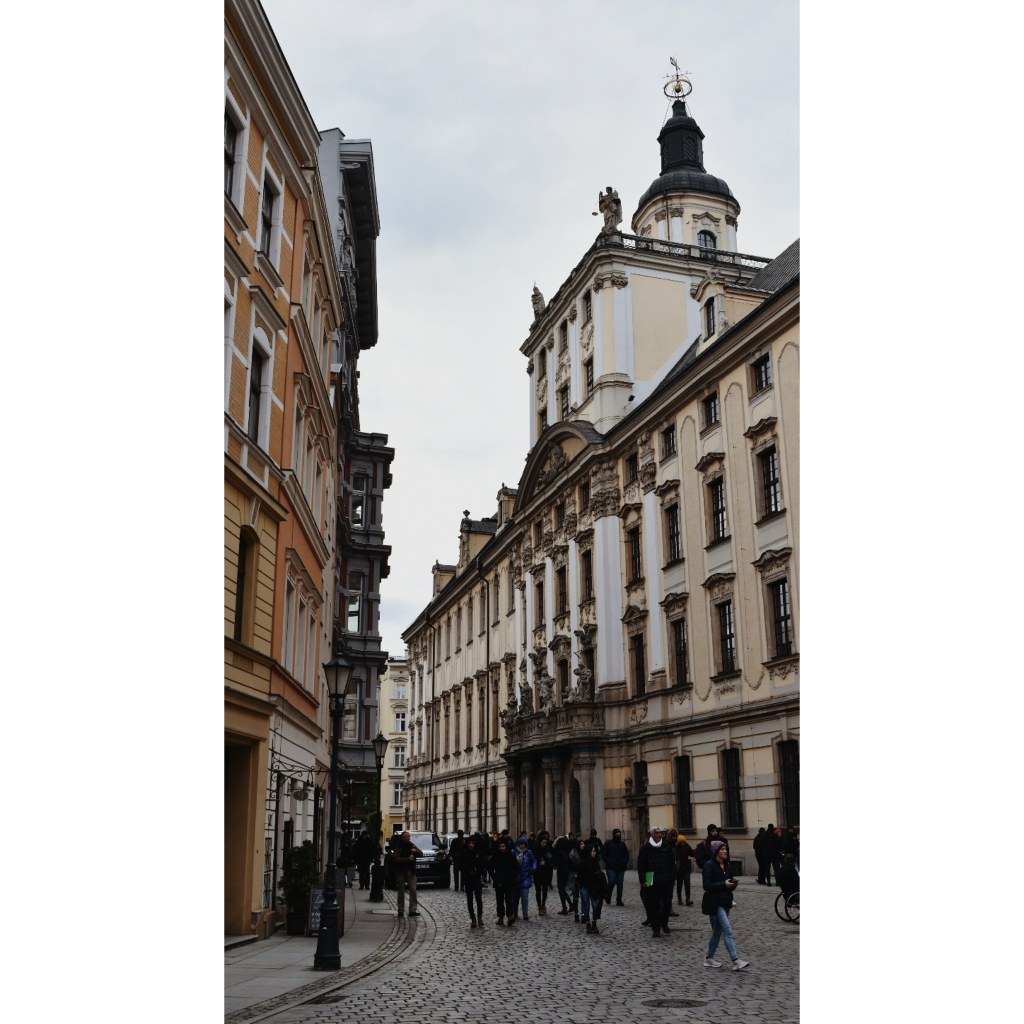
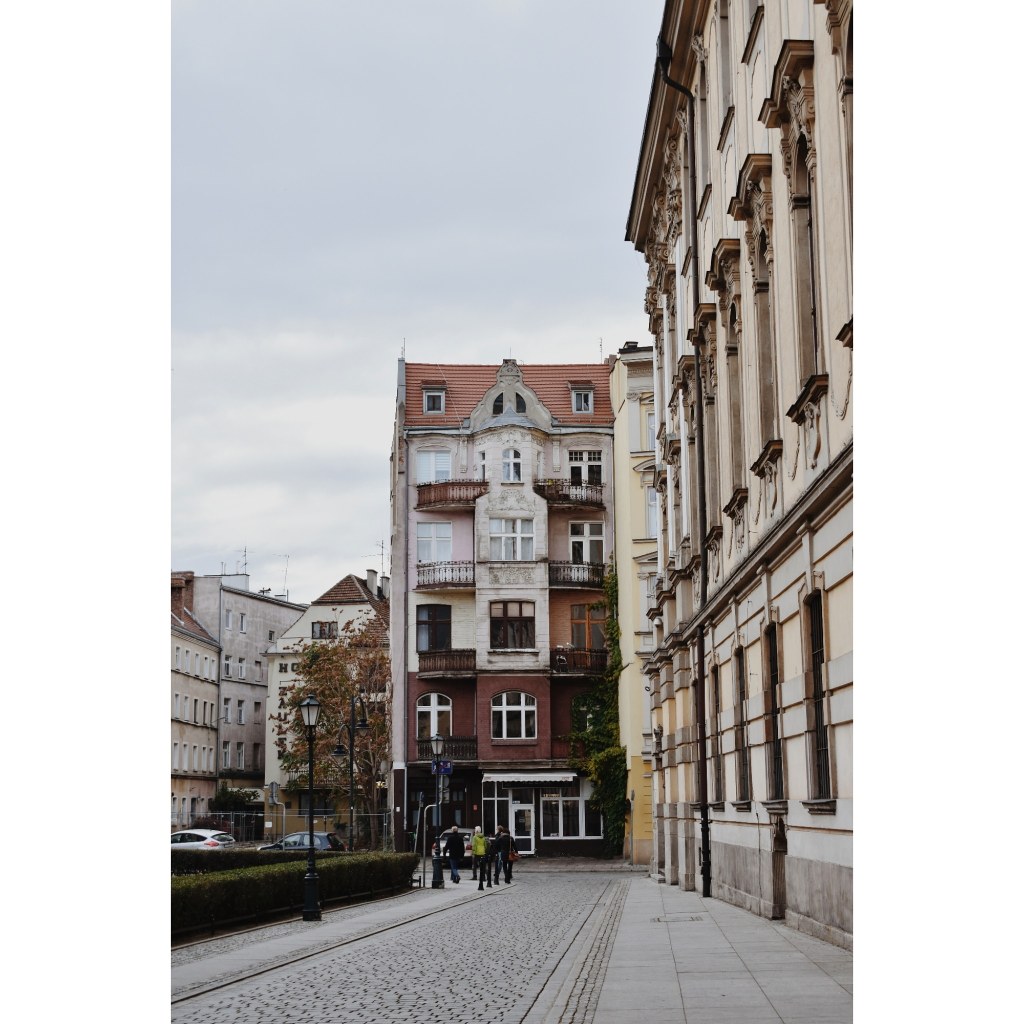
At the Yalta Conference, the allied powers decided that Breslau was to become a part of Poland again, in exchange for Lwów (Lviv), which would become a part of Ukraine. Immediately after the war a massive amount of people came from Lviv to the renamed city of Wroclaw, including university professors. On November 15, 1945, the first lecture was given at the damaged university. A new era began, where the university was renamed (again) from 1952 to 1989 to the Boleslaw Bierut University of Wroclaw. After the end of communist rule, the university was renamed to the University of Wroclaw.
And well, as seems to be a recurring issue with communist rule, the university did not really prosper. No new Nobel Laureates have graduated from Wroclaw University since the end of the Second World War. But things are going to change for the better, because guess what? I am doing my PhD here! Someone’s got to do the job, right?
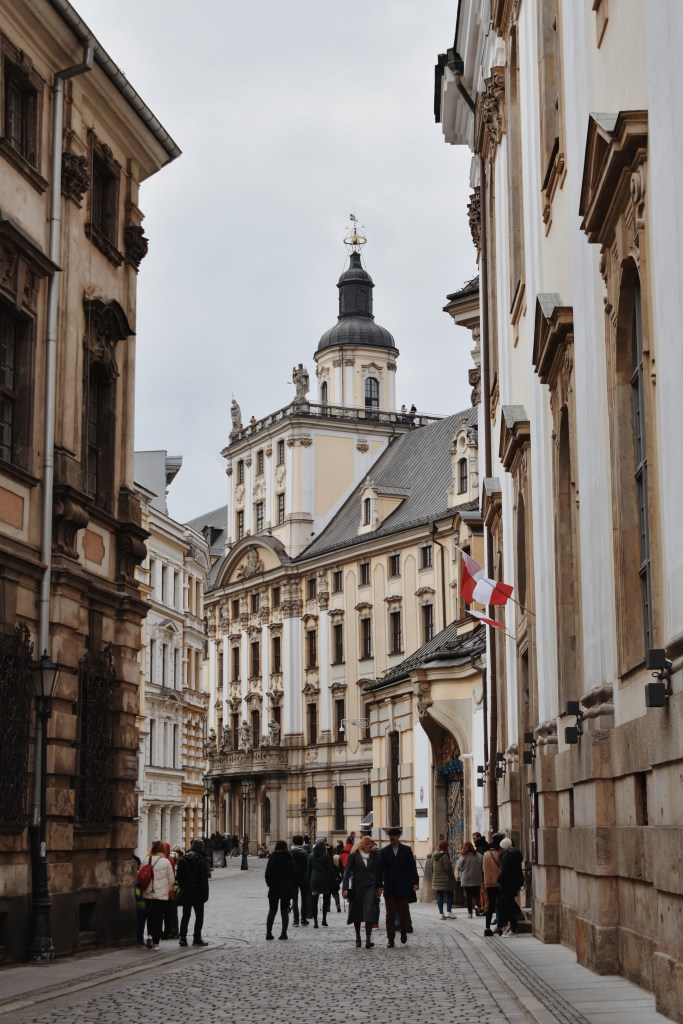
 Winter Winds